The Altopiano does not reward hurry. It rewards the traveler who pulls over, orders a second coffee and lets an afternoon pass without a plan. Two days is enough to catch the rhythm of these high meadows, provided you resist the urge to collect villages and settle into one instead. The temptation is real: every bend seems to promise a better view, a prettier square, a more authentic lunch. But the plateau is best understood by repetition — the same bakery in the morning, the same bench after lunch, the same path at dusk. Choose one village, learn its pace, and let the rest of the Altopiano remain a reason to come back.
Think of the weekend below as a shape rather than a schedule: a short walk before lunch, a long lunch, an evening that ends when you decide it should. It works in most seasons, with adjustments for weather and for whatever happens to be open. The point is not to tick off sights but to notice how the day changes: the cool air before the sun clears the ridge, the insects in the afternoon meadow, the sudden quiet after the dinner rush. Keep the plan loose enough to accept an invitation or abandon a walk when the cloud comes down.
Day One, Morning: Arrive and Do Very Little
Come up from the valley in the morning, while the light is still flat and the road is quiet. Choose a base that is a village rather than a resort — Gallio, Roana, Rotzo and Foza all work — and park once, on the edge of the centre, leaving the car there for the day. This small discipline matters. A car makes it easy to chase a view; on foot you notice the bakery, the noticeboard, the old men arguing on a bench, the sound of a fountain you would otherwise pass at speed.
Spend the first hour on foot and without a purpose. Find the piazza, take a table, and watch the ordinary business of a mountain town: deliveries, dogs, someone sweeping a step. Order at the counter if that is how the bar works, which it usually is, and take your coffee outside. If the bakery has fugassa, the soft local focaccia, buy a slice for later. It is not a monument or a museum piece; it is breakfast, a snack, and a reminder that the best food here is often the plainest.
Before lunch, it is worth doing a few small things:
- Walk the length of the village once and note which places look open for dinner, especially the ones with handwritten menus and a few tables outside.
- Check the noticeboard or the tourist office for the hours of huts, farms and the weekly market — they rarely match what a website said in spring.
- Ask where locals buy cheese rather than buying it at the first shop you pass; the answer may be a farm gate, a small caseificio or the back room of a bar.
- Confirm tomorrow's walk with someone who lives here; they know which paths are closed or muddy, and they will tell you if the weather is turning.
Then have lunch, properly, and no more than that. A bowl of bigoli, a plate of cheese and sopressa, a glass of the house white, bread from the bakery you just found. Do not order a tasting menu at midday. The afternoon walk will be better for a light table and a little patience.
Day One, Afternoon: A Walk Measured in Hours, Not Kilometres
Give the afternoon to a walk of around two hours. On this plateau that means a meadow track, a stretch of forest and a malga — one of the summer dairy huts where cattle graze the high pasture. Distances are short here; the climbs are what take the time. A route that looks like five kilometres on a map can easily fill an afternoon once you stop for the view, the cows, the wildflowers and the small detour to a spring.
A simple plan that works from most villages:
- Start by two in the afternoon, with the sun behind you on the way out if you can manage it.
- Follow a marked path — red and white paint on rocks and trunks is the Italian standard — toward the nearest malga or wooded ridge.
- Set a turnaround time rather than a destination. Legs and weather decide more than maps do.
- Finish with something warm to drink before the light goes.
Wear shoes with real tread; trail runners are fine on these tracks, smooth-soled city shoes are not. Carry a light rain shell even under a blue sky, and a bottle of water. If cloud drops onto the ridge, turn back: the paths stay clear, but the markers vanish in fog. Around Monte Zebio and Forte Interrotto you will pass First World War remains. Look, but stay out of collapsed trenches and unlit tunnels. A short out-and-back is enough. The aim is not to cover ground but to arrive back at the village with mud on your shoes and a clearer head.
Day One, Evening: Aperitivo, Then a Late Table
Back at the village, shower, change and go out again before dinner. The aperitivo hour up here is short and unpretentious: a spritz or a local beer, a small plate of cheese or sopressa, conversation at a volume that does not require shouting. There is no need to dress for it. The same people you saw sweeping the step in the morning will be there, and the bar will probably close when the last table leaves.
Eat late, around eight or half past, and eat simply. Polenta with mushrooms or melted cheese, bigoli with a meat sauce, a slice of tòsella — the fresh cheese that is best the day it is made — grilled and dressed with oil. Order fewer courses than you think you want; portions here assume you have been outdoors all day. If the restaurant offers a fixed menu, ask what is local before saying yes. The answer will usually be short and seasonal.
The evening is the point of the weekend. Book nothing after dinner, and walk back the long way.
If the sky is clear, go to the edge of the village and look up. There is little light pollution at this height, and a torch will serve you better than a phone. Stand still for a few minutes. The quiet is part of the itinerary, even if it does not appear on one.
Day Two, Morning: Market, Cheese and a Ridge Path
Markets rotate between villages through the week, so ask the day before rather than trusting memory. Wherever you land, go early, take cash, and buy what is in season: cheese cut in front of you, honey, small potatoes, whatever greens the weeks allow. Ask for Asiago in two forms — pressato, the fresh, mild cheese that melts into polenta, and d’allevo, the aged one with a nutty bite and a rind you can trust. If you see formaggio di malga, buy a small wedge too; it tastes of the pasture and the morning it was made. A jar of honey and a bag of potatoes are better souvenirs than another fridge magnet.
After the market, take a short ridge path rather than a long hike. Leave from the village, climb for twenty or thirty minutes, and let the view open. On a clear day you can see the valley villages below and the higher peaks beyond; on a cloudy day the path itself is enough, with beech woods, stone walls and the smell of cut grass. Do not try to bag a summit before lunch. The market, the cheese and the walk are the morning.
Day Two, Afternoon: One Last View, Then the Road Down
Have lunch somewhere simple, then choose one last small thing: a farm visit, a short loop through the meadows, a museum if the weather has turned. The Altopiano has a quieter history as well as a dramatic one, and a local museum or a small war memorial can give the landscape another layer. If the cloud is low, stay in the village and spend the afternoon reading over a coffee. This is not a wasted afternoon; it is the slow weekend working as it should.
Leave by late afternoon, before the valley traffic builds and while the light is still good. Buy bread and cheese for home if the shop is open. Drive down slowly. The road out is part of the weekend, not an escape from it.
What to Pack (and What to Leave Behind)
Pack for changeable weather and for walking from the door. You do not need technical gear, but you do need a few things that work:
- Shoes with real tread, broken in before you arrive.
- A light rain shell, a warm mid-layer and a hat, even in summer.
- A small daypack with water, a snack and a torch for the walk back after dinner.
- Cash for markets, farm gates and the odd bar that does not take cards.
- A refillable bottle; taps in villages are usually reliable, but ask if you are unsure.
Leave behind the long list of must-sees, the drone, and the assumption that everything will be open. Leave a little space in the day. The best moments on the Altopiano tend to arrive in the gaps: a farmer waving you toward a path, a bar closing early, a sudden view through the trees.
A Note on Seasons, Weather and Local Rhythms
Late spring and early summer bring wildflowers, cows on the high pasture and long, cool evenings. Autumn is crisp and golden, with fewer people and a better chance of clear views. Winter is for snowshoes and a different kind of slowness, though many huts and farms close. Whatever the season, check opening hours the day before and confirm the weather with someone local. Fog can arrive quickly, and a path that was obvious in the morning can lose its markers by afternoon. Restaurants often close one day a week, and Sunday lunch is busy enough that you should reserve. Shops may shut at midday. None of this is a problem if you build it into the weekend rather than fight it. The Altopiano has its own rhythm; the slow traveler’s job is to meet it.
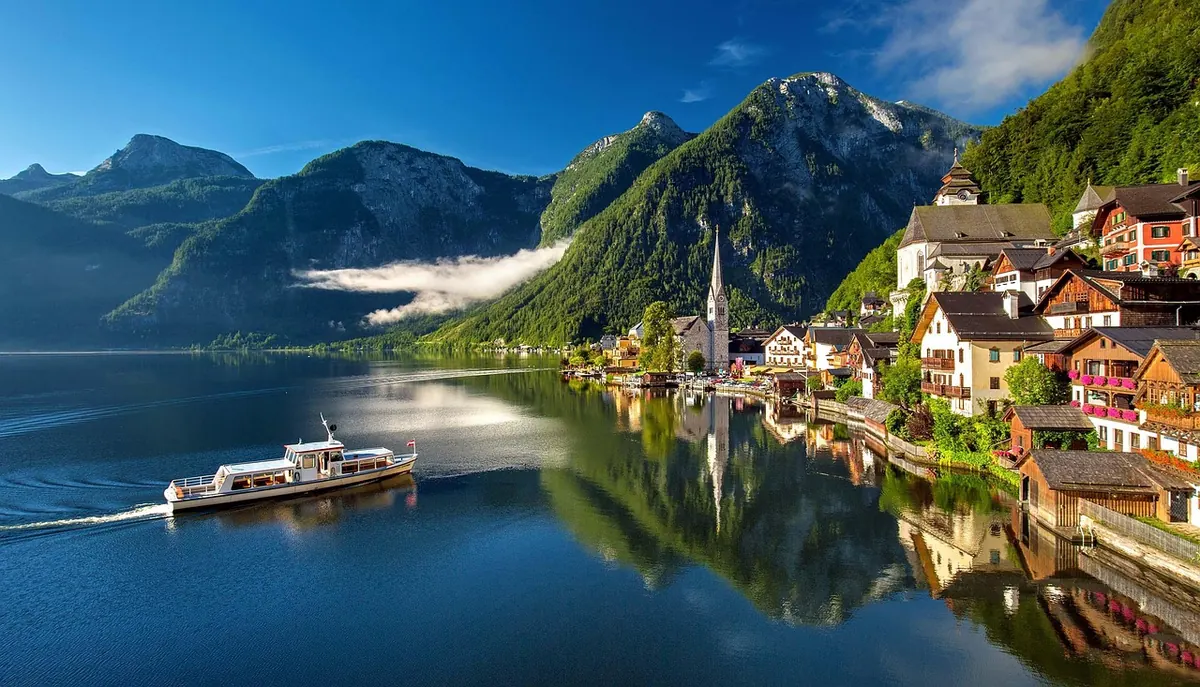
Photo: Julius_Silver / Pixabay