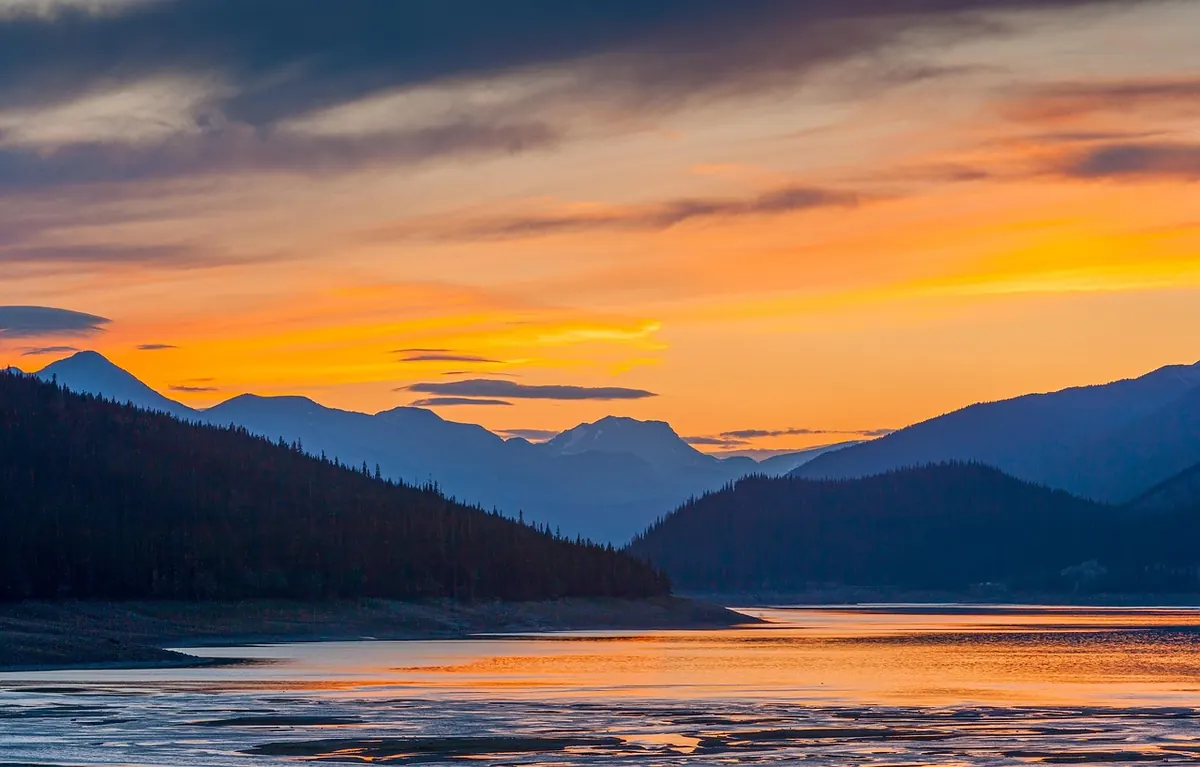
An evening on the Altopiano carries a different weight in May than it does in October. In late spring the square still holds the sun at seven, and nobody has thought about a jacket. By mid-autumn the same square is black by half past six and the crowd has moved indoors, into a hall that smells of polenta and woodsmoke. Between those two scenes sits a whole calendar. Learn its rhythm and you stop arriving at the wrong village on the wrong night — or, worse, at the right village forty minutes after the kitchen has closed.
What follows is the general shape of that calendar, season by season, with the details that tend to matter more than the poster does.
Why Evenings Here Follow the Seasons So Closely
At this altitude the year is compressed. Spring arrives late and fast, summer is short and cool once the sun goes, autumn is brilliant and brief, and winter settles in for a long stay. Everything that happens in the evening — the outdoor tables, the processions, the open-air screenings, the food nights — is arranged around that narrow window of comfortable darkness.
Two other things shape the programme. The first is agriculture. Hay, milk, mushrooms and chestnuts set the dates for much of the food calendar, and a wet June can push a whole summer sideways. The second is the network of volunteers: parish committees, choirs, sports clubs, alpine groups, and the associations that run each frazione's own feast day. This is not a calendar built by a marketing office. It is built by people who will be back at work on Monday, which is why so much of it lands on a Saturday — and why the food is usually better than the organisation.
Spring: The First Evenings Out
Spring evenings start cautiously. April still has a bite once the sun drops behind the ridge, so the first events of the year tend to be indoors or under cover: a concert in a parish hall, a community dinner, a talk with photographs from the winter. The point is less spectacle than reunion. Half the room has not seen the other half since November.
What to expect from May onwards
By May the programme loosens up. Choirs and bands begin their warm-weather rounds, the first small sagre appear in the villages, and the mountain huts start setting tables outside. Twilight is generous — it stays light until nearly nine by the end of the month — so dusk walks and guided evening outings become possible again.
Spring is also the season of the modest family gathering: starting around six, finishing before the children get overtired. If you are travelling with young kids, this is the most forgiving stretch of the year.
Summer: Festivals, Sagre and the Long Twilight
Summer is the loud season. Between late June and the end of August, a village somewhere on the plateau is almost always holding something: a sagra with long tables, a music evening in the piazza, a market of local producers, fireworks for the patron saint. Dates cluster around weekends and public holidays.
A typical summer sagra, step by step
- Early evening: stalls and kitchen open. Food is served in shifts, and the queue is shortest in the first half hour.
- Around eight: the tables fill. This is the hour to arrive if you want to eat sitting down.
- After nine: the band starts, the children run loose, and the older residents take the chairs nearest the exit.
- Late: plates are cleared, volunteers start stacking benches, and a few people stay talking under the lights.
Two practical notes. First, the temperature drops sharply after dark even on a hot day, so bring a layer; you will see locals in light jackets in July. Second, popular food evenings can run out of a dish well before closing. Going early is not impolite, it is sensible.
Summer is also when the malghe, the mountain dairy huts, serve evening meals. They are working farms first and eateries second, so a table usually needs arranging in advance, and the menu follows whatever the animals and the season are doing.
Autumn: Food Nights Take Over
Autumn is the season outsiders underestimate. The summer crowds thin, the light turns gold by five, and the calendar shifts decisively toward eating. Mushroom menus appear, chestnuts get roasted in drums on street corners, polenta returns to the table with plateau cheeses, and cellars open for tasting evenings.
These are usually ticketed or reserved ahead, and many are held in small rooms where seating runs to a few dozen. They also start earlier than summer events — often seven or half past — because the drive home is dark and long and nobody wants to be on a mountain road at midnight.
Autumn brings the quieter cultural evenings too: book presentations, local history talks, choir concerts in small churches where the acoustics do most of the work. If you are here for a week in October, read the parish and association noticeboards rather than only the larger listings. Much of the best of the season is announced there and nowhere else.
Winter: Short Days, Warm Rooms, Small Crowds
Winter evenings are indoor evenings. Concerts in churches, amateur theatre, Carnival parties, mulled wine and chestnut nights, and the long run of December appointments that ends with New Year in the piazza. The cold concentrates things: fewer events, smaller rooms, more eating and talking.
Two habits help. Book somewhere warm to come back to, and plan an early dinner — many kitchens close earlier than in summer, and a few small places shut entirely for a stretch after the holidays. Heavy snow can also cancel an event at short notice, and nobody considers that a problem. Check before you drive.
Reading the Local Noticeboard
- Look at the frazione, not just the main town. Half the good evenings happen in villages that never appear on a tourist map.
- Read the time twice. "Dalle 19" means from seven onwards, not at seven sharp; food service usually starts a little later than the stated opening.
- Assume cash. Small sagre and market stalls may not take cards.
- Ask about parking. Village squares fill fast and the alternative is often a field or a ten-minute walk.
- Reserve anything with a fixed menu. A phone call the day before is usually enough.
Before You Set Off
Treat the calendar as a rough map rather than a timetable. Dates move, kitchens run out, and a rainy Thursday can empty a square that would be packed on a Saturday. The reliable approach: check the week's notices a few days ahead, call if food is the main event, bring a warm layer whatever the month, and leave a margin for the drive home on dark roads.
Do that, and the evening takes care of itself. Which, on the Altopiano, is roughly how it has always worked.
Photo: wal_172619 / Pixabay