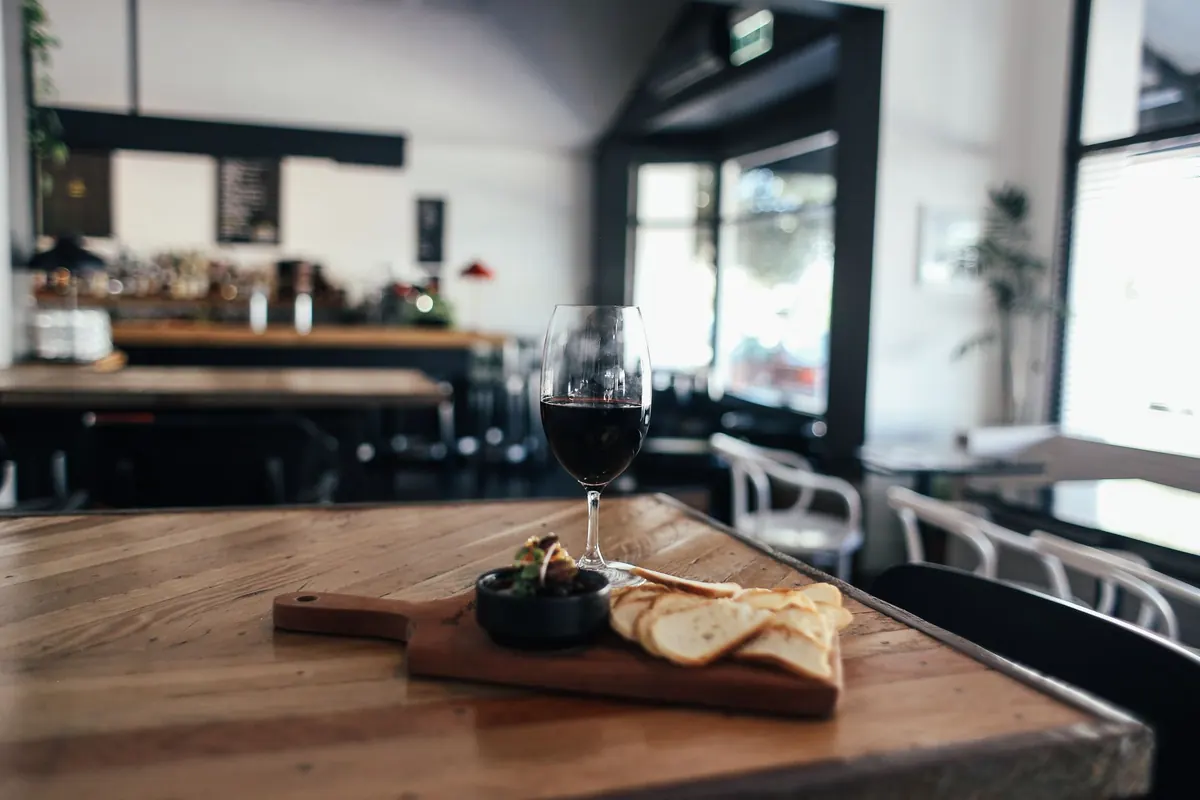
On the Altopiano, the best evenings rarely begin with a plan. Someone clears the table, sets down a wooden board, and the kitchen slowly empties onto it: a wedge of cheese, a few slices of sopressa, bread from this morning, a bottle that has been waiting since spring. Half an hour later there are six people standing around it, arguing gently about which cheese is the best one.
That board is easy to copy at home. You don't need a marble counter or a sommelier's vocabulary. You need three or four good cheeses, one or two cured meats, bread worth eating, and wines that don't fight each other. Everything here comes from the plateau or within an hour of it — and most of it travels well if you're assembling a piece of the place somewhere else.
Choose cheeses by age, not by number
The mistake most people make is buying four cheeses that taste roughly the same. Instead, build a small ladder. Start with something fresh and milky, move to a medium-aged cheese, and finish with something long-aged and loud. Three rungs are enough; four is generous.
Asiago is the natural spine of the board, and it conveniently comes in several ages. The fresh pressato is springy, mild and slightly sweet — the cheese to put at the edge where people start. Mezzano is firmer, with butter and toasted hazelnut creeping in. Vecchio and stravecchio are crumbly and sharp, with those little crystalline crunch points that make people go quiet for a second. Buying all three from the same mountain is a quietly impressive thing to do: you can taste the same milk at three different points in its life.
Then add one wildcard. A soft, pungent Morlacco from the Grappa side, if you can find it. A fresh tosella to eat within a day or two of buying. A smoked ricotta, crumbled over the top of everything, which gives the board a savoury campfire note for very little money. If a malga cheese from a summer mountain dairy is available, buy it — it will taste of whatever the cows found that summer, and it will never be quite the same twice.
How much to buy
For a board that stands in for dinner, count on roughly 150–200 g of cheese per person in total, spread across the varieties. If the board is a starter before a real meal, halve it. Buy in wedges rather than pre-cut slices: they keep better, look better, and let people take what they want.
Cured meats: two is plenty, three is a party
Cheese needs salt and fat alongside it, and that is the job of the salumi. Sopressa, the soft, coarse-grained sausage of the Vicentine hills, is the obvious first choice — mild, garlicky, generous. Speck brings smoke and a firmer bite. Carne salada, from the valleys just north, is leaner and more savoury, and it's excellent with a squeeze of lemon and good oil rather than anything fancy.
Slice thin. Really thin — thinner than seems reasonable. Let the meat come to room temperature before serving, because cold fat tastes of nothing. And don't stack slices in a tight pile; drape them in loose folds so they breathe and people can pick one without dismantling the arrangement. A little pancetta or a soft luganega cut into thick coins can round things out, but resist adding a fifth meat. The board is about cheese.
Bread, and the things that are not bread
Bread is not a delivery system here; it's part of the argument. A dark rye or a country sourdough with a real crust holds up against aged cheese. Pane biscotto, the twice-baked bread of the Veneto, is genuinely useful — it keeps for weeks, snaps cleanly, and won't go stale while the conversation runs long. Add a few grissini for the people who like something to do with their hands, and a warm wedge of polenta if the evening is cold and you have ten minutes to spare.
Then the small pots, which do more work than their size suggests:
- Honey — mountain wildflower or rhododendron, in a small bowl with a spoon, for the sharp aged cheese.
- Mostarda or a fruit compote — something sweet and slightly mustardy to cut through the fat.
- Blueberry jam — the plateau's most natural pairing with a soft, creamy cheese.
- Walnuts and hazelnuts, roughly broken, plus a pear cut into wedges.
- Good oil and cracked pepper, for the fresh cheese and the carne salada.
The wines: one sparkling, one white, one red
Three bottles for a table of six is plenty, and the logic is simple: match the ladder of cheeses with a ladder of wines. For the fresh pressato and the tosella, open something sparkling and bright — Lessini Durello is the local answer, with a citrusy, faintly bitter edge that wakes up the palate, and Prosecco does the job comfortably too. Keep it properly cold.
With the mezzano and the softer washed-rind cheeses, pour a white with a bit more weight: Soave, or a Vespaiolo from the Breganze hills, which has enough acidity to handle the salt in the salumi. For the vecchio and stravecchio, a red — Merlot from the foothills, a Tai Rosso, or a Marzemino from just over the Trentino border. Serve reds slightly cooler than room temperature; on a warm evening, a red at 24°C tastes flat and alcoholic.
Finish with grappa, in small glasses, and let the board sit where it is. Nobody clears a cheese board while there's still wine.
Building the board, in order
- Take the cheese out early. An hour on the counter transforms it. Cold cheese is a wasted purchase.
- Choose a board with room to spare. Crowding is the single most common mistake. If it looks full, it is too full.
- Place the cheeses first, spaced apart, with the mildest nearest the edge and the strongest at the far end.
- Cut one or two wedges ahead of time so guests don't have to make the first move on an untouched piece.
- Give each cheese its own knife, or at least one for the soft and one for the hard. Ask people to cut from the centre toward the rind, not the other way round.
- Fold the salumi between the cheeses, in the gaps, rather than in a single tidy row.
- Set the bread to one side, ideally in a basket or on a second board, so it doesn't go soggy against the cheese.
- Tuck in the small bowls and fruit last, wherever they fill an awkward space.
Quantities, timing and the leftovers
- Buy cheese the day before, not the week before. Wrap it in paper, not cling film, and keep it in the vegetable drawer.
- Twenty minutes before serving, wipe the rinds of soft cheeses and let the hard ones breathe on the board.
- One bottle per three people, plus a spare. Open the sparkling first and the red last.
- Keep a jug of water on the table. It resets the palate better than bread does.
- Leftover cheese: grated into polenta, melted over potatoes, or eaten at midnight standing at the counter. It's fine.
Turn the board into an evening
Light matters more than you'd think. A lamp, not an overhead bulb; candles if the cheese is soft. Put on something with no vocals, open the window if it isn't freezing, and don't apologise for the amount of food — a board that looks a little generous is the whole point.
The one rule worth keeping is the order of things: start with the freshest cheese and the sparkling wine, work toward the oldest and the red, finish with grappa and whatever nuts are left. Everything else is negotiable, and should be. Build it the same way three or four times and you'll stop measuring entirely — which is, more or less, how everyone on the plateau learned.
Photo: Rachel Claire / Pexels