The alarm goes off at 4:40. By five you are climbing the road above Gallio with the heater on and a thermos wedged between the seats, and twenty minutes later you are standing in wet grass watching the Dolomites go from grey to pink. That is one version of a good day here. The other begins with a slow lunch, a long afternoon on the meadows, and a descent in the last orange light with a headlamp in your pack just in case. Both are worth doing. They are not the same hike, though, and the difference matters more than most people expect when they plan a day on the plateau.
The Light: Cool Beginnings, Warm Endings
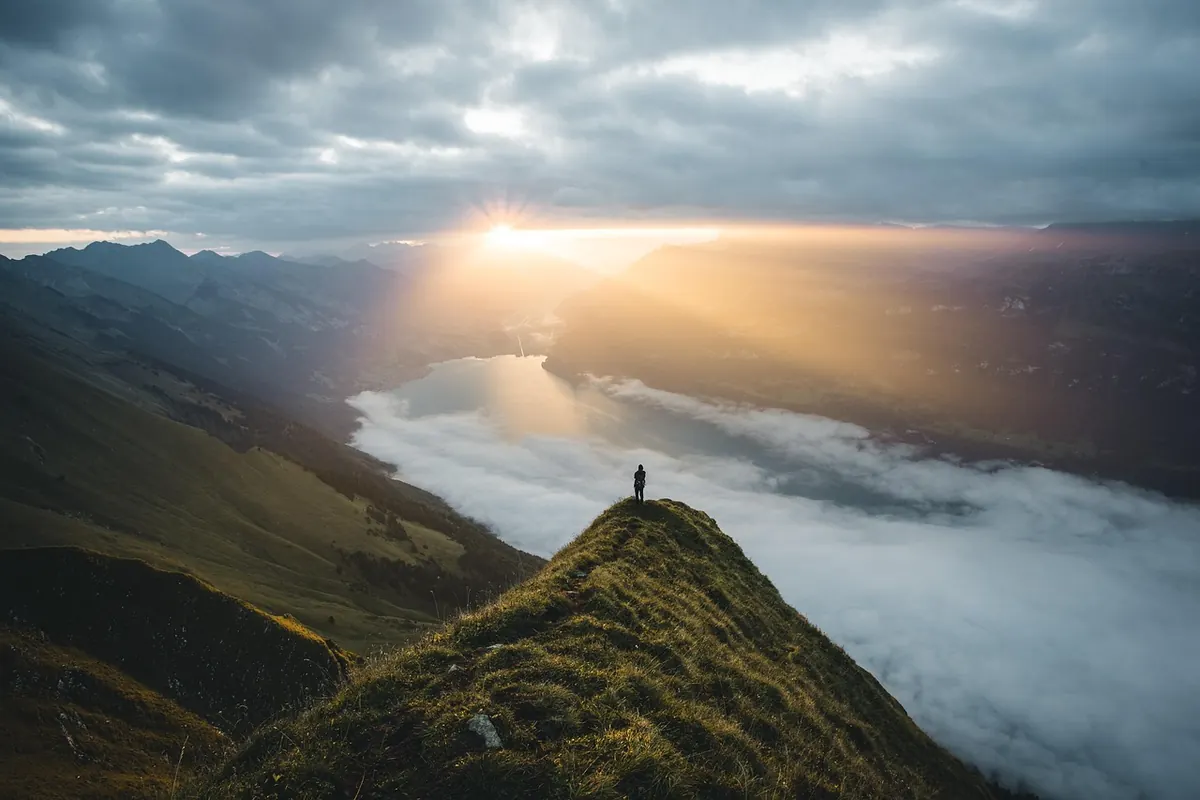
Sunrise light is clean and low-contrast. For the first half hour you can see into shadows that would be black by ten in the morning, which is why the meadows around Malga Larici and the old fortifications on Monte Zebio look almost soft at that hour. If there is any moisture in the air, the valleys below you fill with cloud and you end up standing above a white layer with the peaks poking through. It is the single best reason to set an alarm on the Altopiano, and it lasts about twenty minutes before the light turns ordinary.
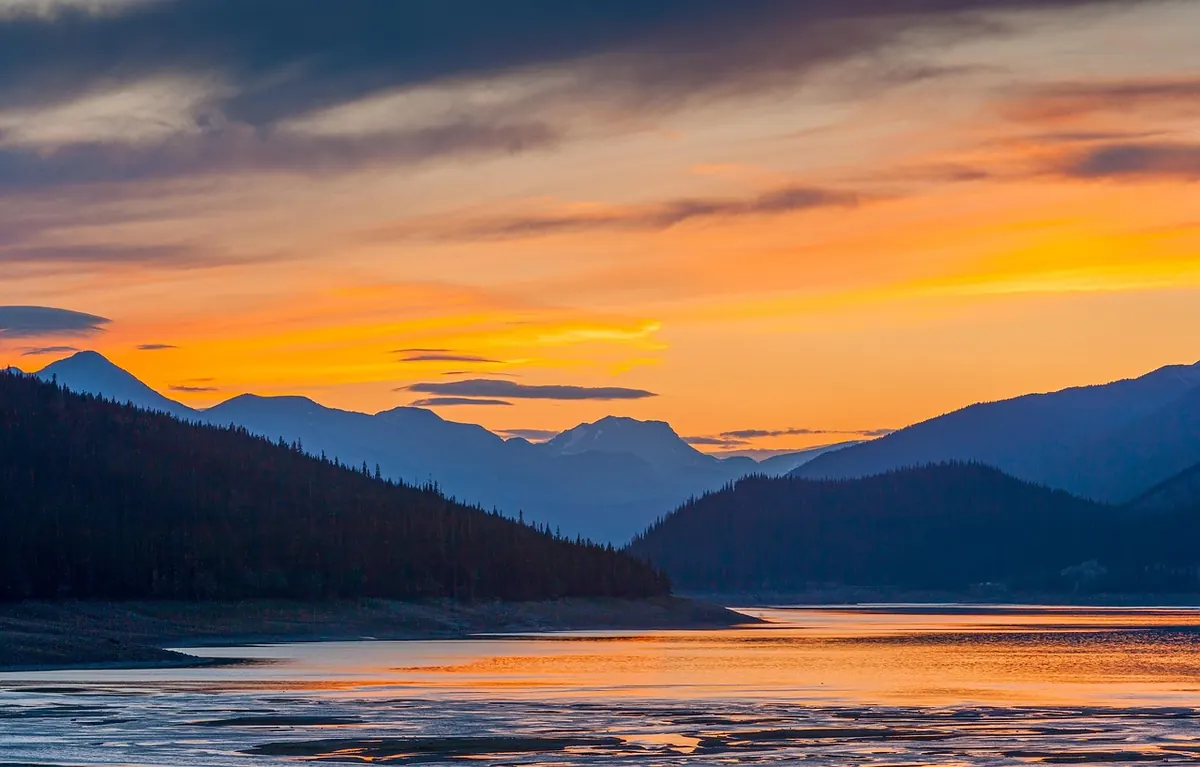
Sunset is a longer, warmer affair. The sun drops toward the Pasubio and the Vicentine Prealps, shadows stretch across the Piana di Marcesina, and the northern peaks hold a reddish glow well after the valleys have gone dim. You get more usable time than at dawn: the colour builds slowly, and if the day has been clear you can often sit for an hour and watch it change.
Direction decides a lot. The southern rim above the Val d'Astico and the plain opens up at first light; the open ground on the western side of the plateau gives you the long evening show. Pick a viewpoint facing the wrong way and you will get a nice walk with a mediocre sky.
At dawn you are waiting for something to happen. At dusk you are watching something end. The plateau feels different in each case, and most regulars end up with a preference they can't quite explain.
Weather, Temperature, and the Two Moods of the Plateau
The coldest hour of a summer day here is often just after sunrise. Even in July you will want a fleece at 5:30, and from late September onward there can be frost on the grass at Kaberlaba while the plain below is still mild. Wind tends to be lighter at dawn, which makes a difference on exposed ground. The upside is that mornings are the most stable part of the day: valley fog burns off, the air is crisp, and you get your walking done before the heat arrives.
Afternoons carry more risk. In summer, cumulus builds over the high ground through the middle of the day, and by mid-afternoon there can be thunder somewhere along the northern ridge. That does not rule out a sunset hike, but it does mean you should read the sky and have a low, short alternative ready. If towers are already forming over Cima Portule at two o'clock, plan to be off the ridges by six rather than standing on one at eight.
Autumn flips the equation. Mornings can be foggy and cold, while late afternoons give you clear air and the beech woods turning gold. In spring, dawn is often the only reliably dry part of the day.
Crowds, Parking, and the Sound of Nothing
This is where the two options separate most sharply. A sunrise hike on the Altopiano is often completely solitary. You will share the meadow at Forte Interrotto with a couple of chamois and nobody else, and the only car in the gravel pull-off will be yours. Parking is easy because there is no one to compete with, though you should still leave the car somewhere legal and not block a malga gate or a forestry track.
Sunsets are social. The after-work crowd drives up for the last hour, malga terraces fill between six and eight, and the popular roadside viewpoints near Kaberlaba and along the southern rim get a small parade of cars. It is cheerful rather than oppressive, and the plateau is big enough that a ten-minute walk away from the car park usually buys you silence. The strange part is how fast it empties: twenty minutes after the sun goes, the terraces are shutting and you are walking back under stars with the whole place to yourself.
Safety and the Walk Back
Walking out in the dark
Both options mean some darkness, but sunset hikes usually mean more of it. Trail markers are painted red and white and they do not glow, so a phone torch is not enough on a rough path. Bring a proper headlamp with fresh batteries, and choose a return route you already know or one that is wide and obvious. A short loop on a forest road beats a beautiful ridge traverse when you are finishing at 9:30.
Cold, heat and timing
At dawn, dress for the temperature twenty minutes before sunrise and carry a layer for the stop at the top; standing still in a cold wind after sweating uphill is how people get miserable. At dusk, remember that the temperature drops quickly once the sun is gone, and that a summer afternoon can be hot enough to empty your water bottle before you have even started climbing. Take more water than the walk seems to need.
Signal and telling someone
Mobile coverage is patchy behind ridges and in the woods, so do not count on calling for help. Tell someone at home where you are going and when you expect to be back, and if you are staying at a rifugio, mention your plan to the keeper. In winter and early spring, check the avalanche forecast before committing to anything on open slopes, and ask locally about snow conditions if you are unsure. None of this is dramatic; it is just the ordinary care that makes a solo dawn trip feel relaxed rather than reckless.
Which One Fits Your Trip?
There is no universal answer, but these questions usually settle it:
- You wake early anyway: sunrise. Children and jet lag are excellent alarm clocks, and you will have the plateau to yourself.
- You want a full day out: sunset. Walk in the afternoon, eat at a malga, then finish in the best light of the day.
- You are here for photography: dawn for mist, clarity and empty foregrounds; dusk for warm colour and long shadows on the northern peaks.
- It is July or August: sunrise avoids both the heat and the afternoon storms. If you choose sunset, keep the route short and watch the sky.
- It is your first hike here: sunset on a well-marked path near the road, so the descent is easy even if you misjudge the light.
- You have one morning only: sunrise from a viewpoint you can reach in twenty minutes from the car. Do not gamble on a long approach in the dark.
Before You Set the Alarm
Check the actual sunrise or sunset time for the date rather than guessing, then work backwards: an hour of driving and walking, plus twenty minutes of buffer for the things that always take longer in the dark. Download or photograph the map while you have signal, fill a thermos, and leave a note on the dashboard or with a friend. For a sunset, pack the headlamp even if you are certain you will be down by dusk — the view has a way of keeping people longer than planned. And if the forecast turns, be willing to switch ends of the day. The Altopiano gives you two good shows every twenty-four hours; there is no need to insist on the one you booked.
Photo: Mrexentric / Pixabay