A Seasonal Checklist for Hiking the Altopiano Without Overpacking
Most heavy packs on the Altopiano were packed by careful people. That is the strange part. Nobody hauls four layers and a spare stove up towards Monte Zebio out of carelessness — they do it because the plateau makes you nervous. Fog spills across the meadows at Vezzena while Asiago sits in sunshine. A June morning in Foza can feel like the middle of April. The answer isn't a longer list. It's a base kit that hardly changes, plus a few decisions made the evening before you leave.
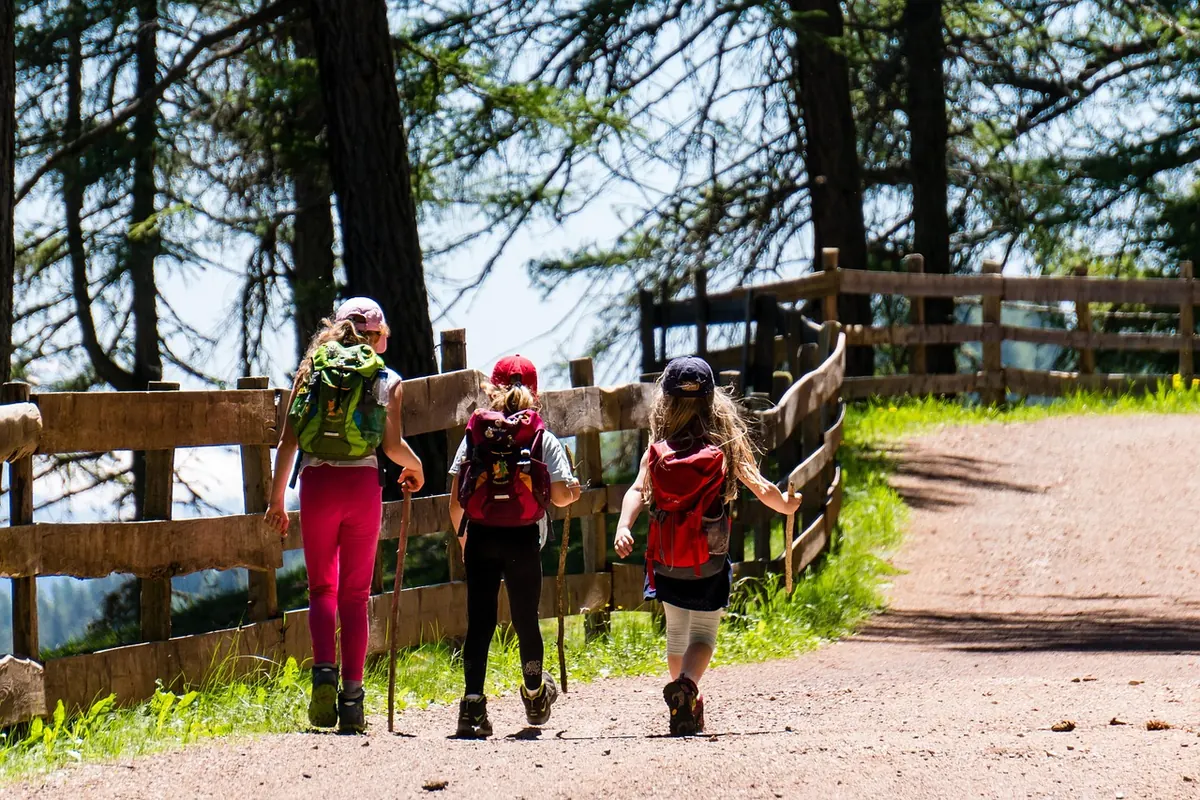
This checklist assumes day hikes between roughly 1,000 and 2,300 metres. Anything with a night out changes the arithmetic, and so does hiking with children, who need their own warm layer even when they insist they don't. It also assumes you'd rather carry a little less and walk a little more comfortably; the aim is not to be the person who has everything, but the person who has the right things and knows where they are.
The Kit That Never Changes
Start here, because most of the packing problem is solved once these items live in the pack permanently. Keep them together in a drawer or stuff sack between hikes and you stop re-deciding what matters every weekend. The base kit should be boring. Boring is fast, and fast is what you want when you're leaving the car at 7am and the cloud is already down on the ridge.
- Waterproof shell with taped seams and a hood that fits over a cap.
- One warm mid-layer — fleece or a light synthetic jacket. One, not two.
- Paper map and compass, plus a phone kept in airplane mode so the battery survives the day.
- Headlamp with batteries you checked this season, not last.
- Trimmed first aid kit: blister plasters, tape, antiseptic wipes, painkillers, any personal medication.
- Water capacity of 1.5–2 litres — bottles or bladder, whichever you actually drink from.
- Sun protection: hat, sunglasses, high-factor cream. Snow and pale limestone both bounce light back at you.
- Repair odds and ends: a metre of tape, a spare lace, two zip ties.
- Emergency blanket and a snack that needs no cooking.
If you have a heart or breathing condition, or you're hiking with someone who does, get proper advice from a doctor about what your body can handle at altitude before you take advice from a packing list.
Spring: Wet Ground, Cold Mornings
Spring arrives late up here and unevenly. The meadows around Gallio green up while snow still lies in the beech shade and on north-facing slopes above 1,500 metres, and meltwater keeps the ground soft. Trails that are firm gravel in August become slow, sucking mud that costs you more energy than any climb. A path that looks dry from the car park can turn into a stream twenty minutes in, especially where cattle have churned the ground near a malga.
The spring pack is the base kit plus traction and dryness. Gaiters earn their place. So do poles, which save your knees on wet descents. Carry two pairs of socks — one on your feet, one dry in a plastic bag — and change at lunch if your boots have been damp since morning. Add thin gloves and a warm hat; wind on open ground in April is not a joke. A simple test: if you can wring water from your socks at lunch, you've packed wrong.
Water is the item people forget. The malghe that refill bottles in summer are often still shut, so plan on carrying everything you'll drink. Check locally before committing to high routes: a path that is clear from the valley can still hold a long snowfield on its shaded side, and the difference between a pleasant walk and a posthole slog is often just which side of the ridge you chose.
Summer: Heat, Storms, and Long Light
Summer is the season for starting early, and the reason has nothing to do with crowds. Afternoon storms build quickly over the Prealps, and exposed ground above the treeline is a poor place to be when they arrive. Be off the summits and ridges by early afternoon. If the sky has gone the colour of old pewter by noon, the day's plan has changed.
Carry more water than feels reasonable — two litres minimum, more on a hot day — and drink before you're thirsty. A light long-sleeved shirt often works better than repeatedly smearing cream on your arms. Keep the warm mid-layer in the pack even in July: a soaked hiker at 1,500 metres in a storm can chill fast, and that is the classic summer mistake on this plateau. On an exposed ridge like the one toward Monte Ortigara there is little shade and no shelter worth the name, so the shell and warm layer are not extra weight; they are your exit plan.
What you can drop in summer: the cooking kit, the heavy boots if your ankles are happy on gravel roads, the thermos, the second fleece. What you cannot drop: the shell, the warm layer, the headlamp. Long daylight is not the same as no need for light.
Autumn: The Reward Season
Autumn is when the plateau is at its best — beech woods turning, the plain laid out clear below, long gold light on the malghe. It is also the season where layers do work that a single heavy jacket cannot. Three thin layers beat one thick one, because you will be adding and removing them all day.
Two local habits matter. Autumn is hunting season, so wear something visible, keep to marked trails and read the notices posted at trailheads. Fog is also common and arrives without drama, which makes the map and compass more than decoration. Carry a dry bag for anything electronic, and start earlier than you think you need to; dusk comes fast under the trees.
Swap in a light down or synthetic jacket, keep the shell, and add waterproof over-trousers if the forecast is unsettled. Leave behind the town shoes and anything cotton, which turns cold the moment it gets wet. A lightweight down jacket that packs to the size of a grapefruit is worth more here than a heavy fleece that fills half the pack and makes you sweat on the climb.
Winter: Shorter Days, More Decisions
Winter is less about carrying more than about carrying the right things and planning properly. Snow covers the marked trails, so route-finding changes and the day gets shorter at both ends. Plan to be back well before dark and tell someone where you're going and when.
Synthetic insulation beats down in wet snow. Mittens beat gloves on cold descents. Take two headlamps, or one with spare batteries. The thermos, which earns nothing in July, finally earns its weight in January — hot tea at the top of a climb is worth more than the grams. Snowshoes or traction devices depend on the snow conditions and the route; ask at the tourist office or a local guide, and don't assume last week's report still holds. A small sit mat is a cheap luxury when you stop for lunch, because sitting on snow pulls warmth out of you faster than the air does.
The Evening-Before Decisions
Most overpacking happens the night before, not on the trail. You stand in the hallway with a forecast that says “changeable” and start adding things for every version of the day. A better routine is to make four decisions, then close the bag.
- Check the forecast at altitude, not in the valley. Asiago can be mild while the ridge above it is windy and wet. Look at the freezing level and the wind, not just the temperature in town.
- Choose the route by conditions. A low wooded loop is a good day out in fog; an exposed summit is not. Decide before you leave, not at the trailhead when everyone is impatient.
- Lay out the pack, then remove one item. If you can't name when you'll use it, it stays home. That usually means the second stove, the spare trousers, or the heavy camera you'll resent on the climb.
- Tell someone your plan. Route, car park, expected return time. It takes one message and it is the most useful thing in the pack.
This is where the seasonal checklist does its real work. It doesn't make you carry less by being clever; it makes you carry less by being decided. The base kit stays, the seasonal additions change, and the evening-before questions stop you packing for an imaginary expedition instead of the walk you're actually doing.
What Not to Bring
The quickest way to lighten a pack is to leave out the things that only feel responsible. Spare jeans, cotton T-shirts, a second stove, a full thermos in summer, heavy binoculars you won't use, and “just in case” boots all add weight without adding much safety. A small repair kit and a warm layer do more for you than a folding chair or a camp pillow ever will on a day hike.
Pack for the weather you expect, then add the shell and warm layer for the weather you don't. If the pack still feels heavy, take out the items you haven't touched on your last three walks and ask whether they are really part of the base kit or just habit. The Altopiano rewards a light pack and a clear plan; the mountain doesn't care how much you carried, only whether you can still enjoy the descent.
Photo: MaBraS / Pixabay